

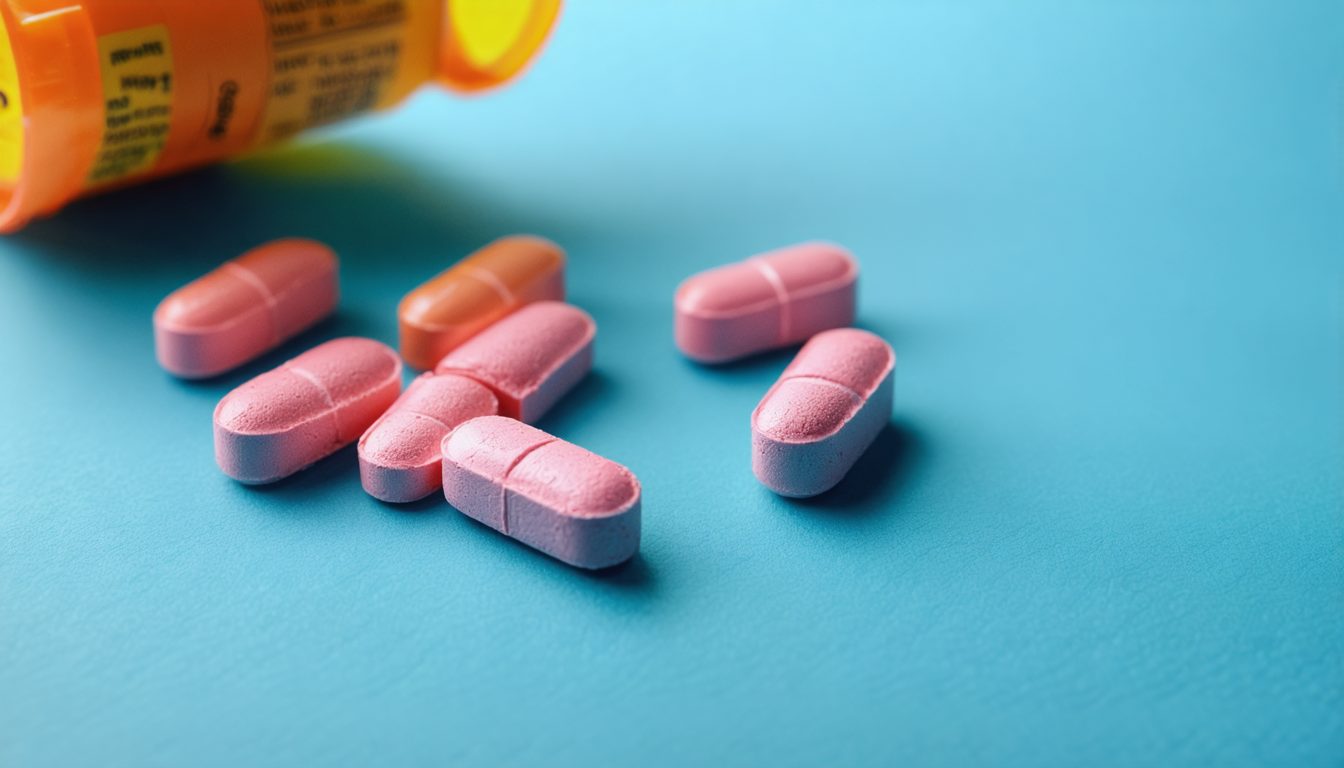
Impotence medication: glossary, explanation, and practical checklist
Disclaimer: This article is for informational purposes only and does not replace professional medical advice, diagnosis, or treatment. Impotence medication (also known as medication for erectile dysfunction) should be used only under the supervision of a qualified healthcare professional. Always consult your doctor before starting, stopping, or changing any treatment.
Key terms (glossary)
- Erectile dysfunction (ED)
- A persistent inability to achieve or maintain an erection sufficient for satisfactory sexual performance.
- Impotence medication
- Prescription drugs used to treat erectile dysfunction by improving blood flow to the penis.
- PDE5 inhibitors
- A class of drugs (e.g., sildenafil, tadalafil, vardenafil, avanafil) that enhance erectile response by blocking the enzyme phosphodiesterase type 5.
- Sildenafil
- An ED medication often known by its original brand name, typically taken 30–60 minutes before sexual activity.
- Tadalafil
- A longer-acting ED medication that can work up to 36 hours and may also be prescribed in a daily low dose.
- Nitric oxide
- A natural chemical in the body that relaxes blood vessels and plays a central role in achieving an erection.
- Vasodilation
- The widening of blood vessels, increasing blood flow to specific tissues.
- Hypogonadism
- A condition characterized by low testosterone levels, which may contribute to sexual dysfunction.
- Cardiovascular disease
- Heart and blood vessel disorders that are strongly linked to erectile dysfunction.
- Psychogenic ED
- Erectile dysfunction primarily caused by psychological factors such as stress, anxiety, or depression.
- Nocturnal penile tumescence
- Spontaneous erections during sleep; their presence may help distinguish physical from psychological causes.
- Intracavernosal injection
- A treatment involving direct injection of medication into the penis when oral drugs are ineffective.
- Vacuum erection device
- A mechanical device that helps draw blood into the penis to produce an erection.
- Priapism
- A prolonged, painful erection lasting more than four hours, requiring urgent medical attention.
Clear explanation
1. Causes of erectile dysfunction
Erectile dysfunction is often multifactorial. Common physical causes include cardiovascular disease, diabetes, obesity, hormonal imbalances, and side effects of certain medications. Because erections rely on healthy blood vessels, ED can sometimes be an early warning sign of heart disease.
Psychological factors—such as performance anxiety, relationship stress, and depression—also contribute. In many cases, both physical and psychological components are present.
2. Manifestations and symptoms
The main symptom is difficulty achieving or maintaining an erection firm enough for sexual activity. Some men also report reduced sexual desire or decreased rigidity. Symptoms may be occasional or persistent.
If erectile problems occur frequently (for several weeks or months), medical evaluation is recommended. Occasional difficulties are common and do not necessarily indicate chronic erectile dysfunction.
3. Diagnosis and evaluation
Diagnosis typically includes a detailed medical history, physical examination, and basic laboratory tests (such as blood glucose and testosterone levels). Doctors may assess cardiovascular risk factors, as ED and heart health are closely linked.
In selected cases, additional tests—such as penile Doppler ultrasound or nocturnal erection monitoring—may be used to clarify the cause.
4. Treatment approaches, including impotence medication
Impotence medication most commonly refers to oral PDE5 inhibitors. These drugs enhance the effect of nitric oxide, leading to vasodilation and improved blood flow in the penis during sexual stimulation. They do not cause automatic erections; sexual arousal is still required.
If oral medication is ineffective or contraindicated (for example, in patients taking nitrates for chest pain), alternatives include vacuum erection devices, intracavernosal injections, hormone therapy in cases of confirmed hypogonadism, and psychological counseling.
For a broader understanding of how medical innovation is evaluated and supported, visit our Alliance Ventures section. Additional health topics can be explored in Uncategorized medical resources and our health glossary overview.
Reader checklist
What you can do
- Schedule a medical consultation before starting any impotence medication.
- Discuss all current medications to avoid dangerous interactions.
- Adopt heart-healthy habits: balanced diet, regular exercise, smoking cessation.
- Manage chronic conditions such as diabetes and hypertension.
- Address stress, anxiety, or relationship issues with professional support if needed.
- Follow prescribed dosing instructions carefully.
What to avoid
- Combining PDE5 inhibitors with nitrates or certain recreational drugs.
- Buying impotence medication from unverified online sources.
- Exceeding the recommended dose.
- Ignoring persistent side effects.
- Self-diagnosing without medical evaluation.
When to see a doctor urgently
- Erection lasting more than 4 hours (possible priapism).
- Chest pain during sexual activity.
- Sudden vision or hearing loss after taking medication.
- Severe dizziness or fainting.
Key terms in simple words
| Term | In simple words | Why it matters |
|---|---|---|
| PDE5 inhibitors | Drugs that help blood flow better in the penis | Main type of impotence medication |
| Nitric oxide | A natural chemical that relaxes blood vessels | Essential for normal erections |
| Cardiovascular disease | Heart and blood vessel problems | Common underlying cause of ED |
| Hypogonadism | Low testosterone levels | May reduce sexual desire and performance |
| Priapism | Dangerously long-lasting erection | Requires emergency treatment |
Specialist comment (generalized)
“Erectile dysfunction is often more than a quality-of-life issue. It can serve as an early marker of systemic vascular disease. Impotence medication is effective for many patients, but optimal outcomes are achieved when treatment is combined with lifestyle changes and proper management of underlying health conditions.”
Sources
- National Institute of Diabetes and Digestive and Kidney Diseases (NIDDK). Erectile Dysfunction (ED). Available at: https://www.niddk.nih.gov/
- American Urological Association (AUA). Erectile Dysfunction Guidelines.
- Mayo Clinic. Erectile dysfunction: Diagnosis and treatment. Available at: https://www.mayoclinic.org/
- European Association of Urology (EAU). Guidelines on Sexual and Reproductive Health.
If specific statistical data are not cited above, readers are encouraged to consult the listed authoritative guidelines for the most current evidence and recommendations.